April 19, 2022

Long-Term Outcomes of Deep Brain Stimulation for Pediatric Dystonia

Deep brain stimulation (DBS) has been a treatment for medication-refractory dystonia in children for over 20 years, showing short-term benefits in inherited, isolated, and idiopathic cases. A review of long-term outcomes, spanning 5 or more years post-DBS in patients under 21, reveals sustained motor improvement, with median Burke-Fahn-Marsden scores improving from 2.5% to 93.2% across dystonia subtypes. Most implants targeted the globus pallidus internus, with an average follow-up of 8.5 years. While data on neuropsychiatric outcomes and adverse events is limited, quality of life improvements persist without significant cognitive or psychiatric issues, though hardware-related complications remain a concern.
September 16, 2021

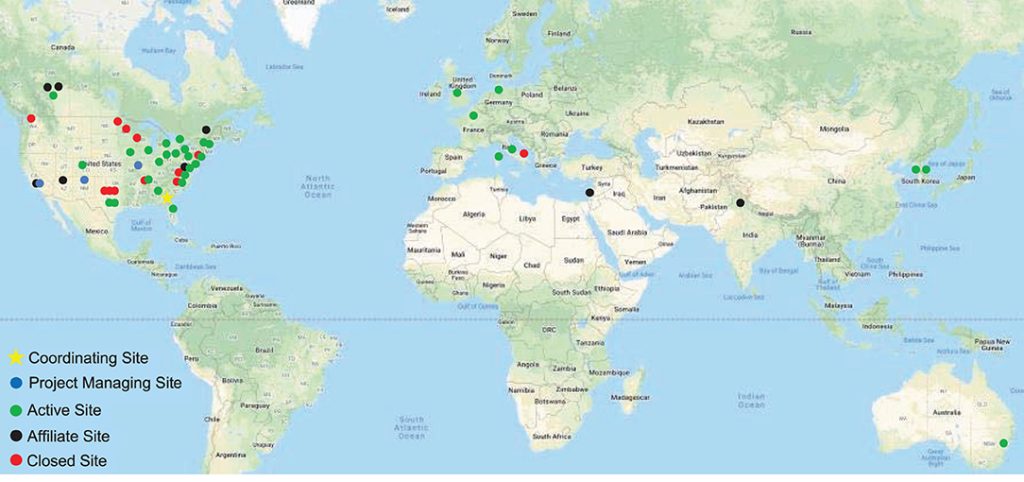
The Dystonia Coalition

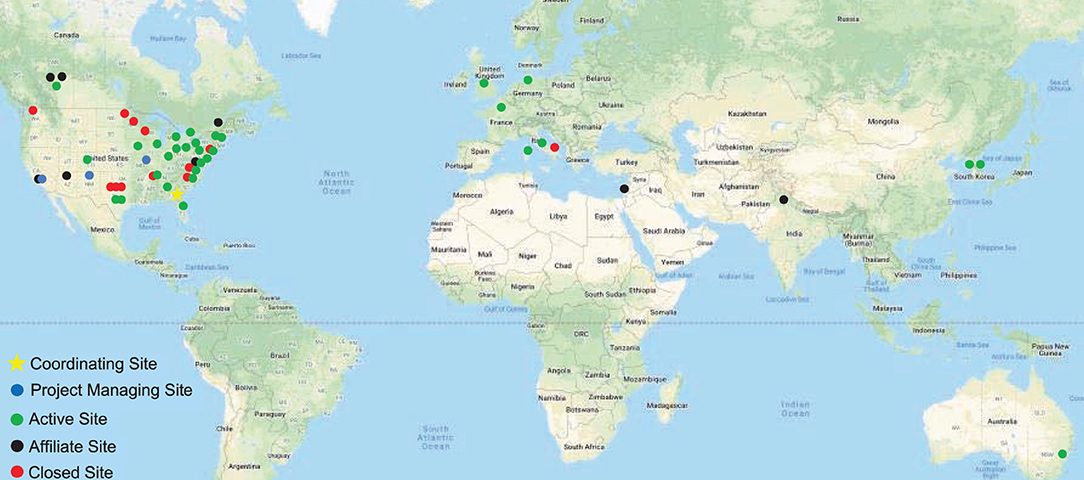
Dr. Aparna Wagle Shukla What is the Dystonia Coalition? Dystonia Coalition is an international collaboration between clinical experts, researchers, and patient advocacy groups to advance dystonia […]
September 4, 2020

Mutant Allele-Specific CRISPR Disruption in DYT1 Dystonia Fibroblasts Restores Cell Function

Most individuals affected with DYT1 dystonia have a heterozygous 3-bp deletion in the TOR1A gene (c.907_909delGAG). The mutation appears to act through a dominant-negative mechanism compromising normal torsinA […]
June 21, 2020

DYT-1, DYT-6 and XDP Dystonias: A conversation with an expert

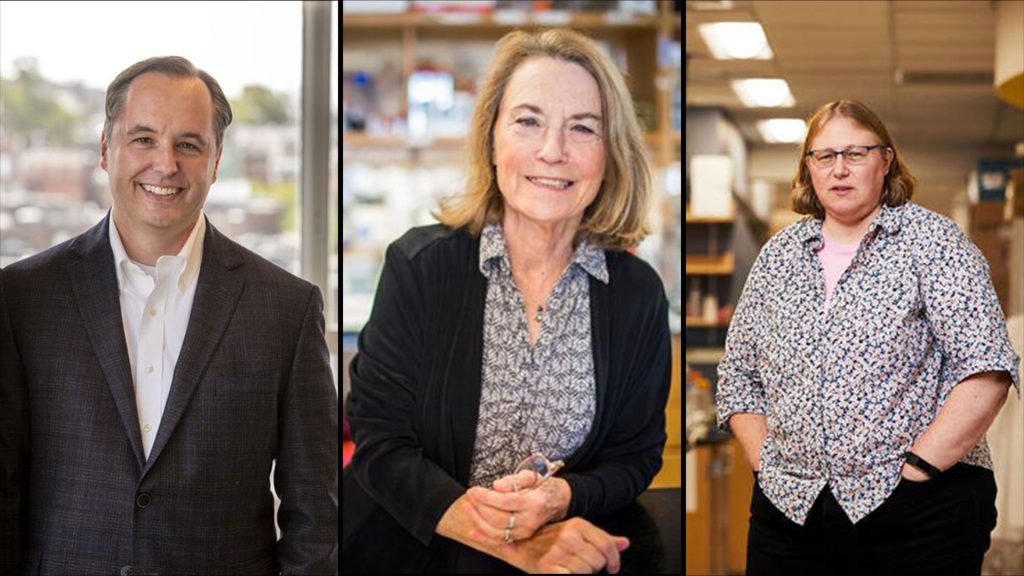
Who is Cristopher Bragg? Dr. Cristopher Bragg is an Assistant Professor of Neurology at Massachusetts General Hospital and Harvard Medical School.  His lab studies cellular mechanisms […]
June 3, 2020

Dr. Edgar Rodriguez weighs in on Gene Therapy for Brain Diseases: A Path for DYT-1 Dystonia

Gene Therapy for DYT-1 Dystonia and other diseases? We sat down with one the experts on gene therapy for DYT-1 dystonia and other central nervous system […]
March 23, 2020

TorsinB overexpression prevents abnormaltwisting in DYT1 dystonia mouse models

In DYT1 dystonia, caused by a TOR1A mutation, torsinB levels influence disease severity. In DYT1 mouse models, lowering torsinB worsens movements and neurodegeneration, while raising it rescues these deficits, suggesting torsinB augmentation could delay symptoms.